
Your trusted EPIC powder equipment

EPIC Powder Air Classifier

It is used for efficient dry classification of d97 3 microns – d97 45 microns and other ultra-fine powders.

It is used for efficient dry classification of d97 5 micron – d97 200 micron powder.

It is specially developed for separating powder products between 32-250μm.

High speed, accurate vertex cutting; clean production process; program control system, easy to adjust and operate.

It is used for efficient dry classification of D97: 8-200 micron powder.

If it is necessary to classify the materials separately, combine the air classifier unit, and adjust the impeller speed through the frequency converter to achieve product classification with different particle sizes.

Customized Solutions & Efficient Services

Product Selection

Through independent product selection, we can help you select suitable products more efficiently and conveniently

Scheme Customization

Tailored one-on-one by technical experts to provide you with more suitable solutions

Service Cmmitment

Establish a systematic and standardized service guarantee system to ensure that each link is executed properly

EPC General Contractor

Requirement oriented, based on sample testing experiments, develop applicable project plans throughout the project

A Comprehensive System & Reassuring Choices

Closed loop matching support, serving as a strong backing for customers

1. There are 10+dedicated after-sales service personnel nationwide to quickly respond to user needs

2. The machine tool has been debugged and tested for 8 hours. Only after passing the inspection can it leave the factory

3. After on-site installation, debugging, and training, users can use it with confidence.

10+

More than 10 service personnel

4H

4-hour quick response

24H

24-hour solution

The Application of EPIC Powder Separator

air classifier lifecycle cost

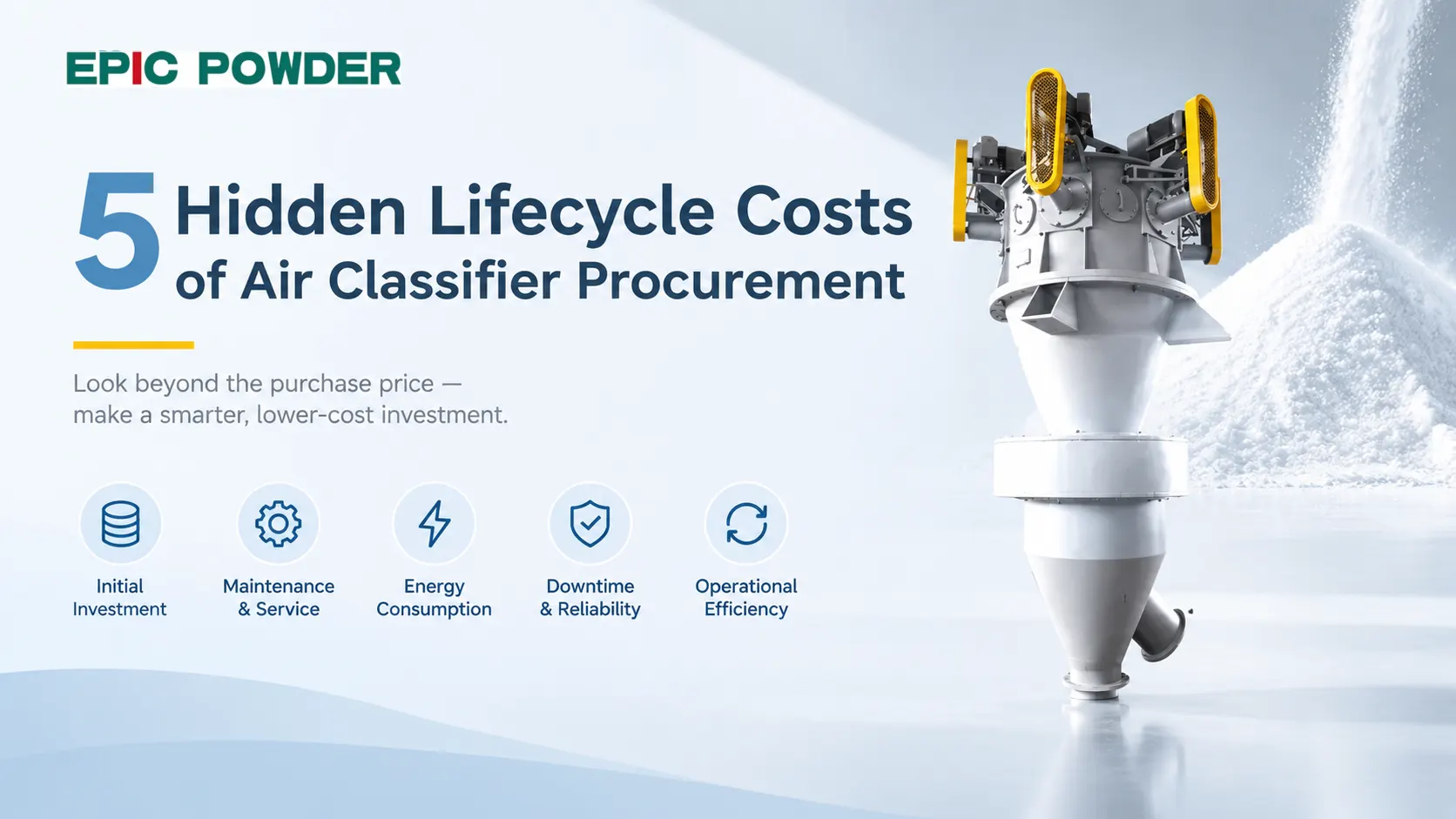
5 Hidden Lifecycle Costs of Air Classifier Procurement

Many buyers focus on the upfront price on the quotation sheet when purchasing an air classifier. Once the equipment is running, electricity bills, spare parts, ...
Read More →
Calcium Oxide

How to Reduce Power and Labor Costs in Calcium Oxide D97=8μm Classification

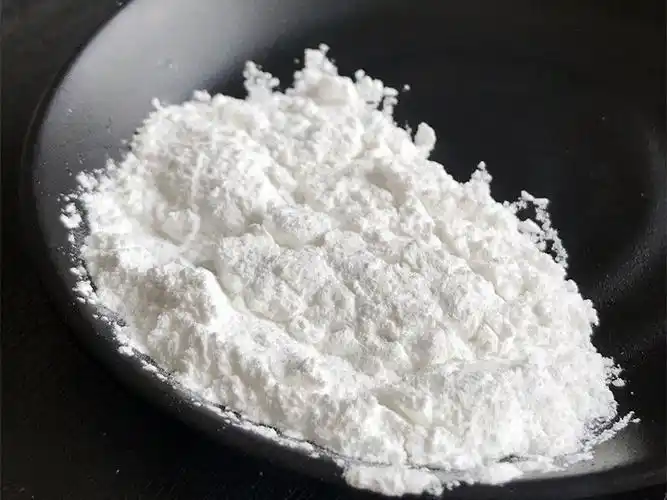
Why Calcium Oxide Costs More Than People Expect Calcium oxide is abrasive, hygroscopic, and reactive. Those three words matter because they define what the classifier ...
Read More →
negative electrode graphite classification

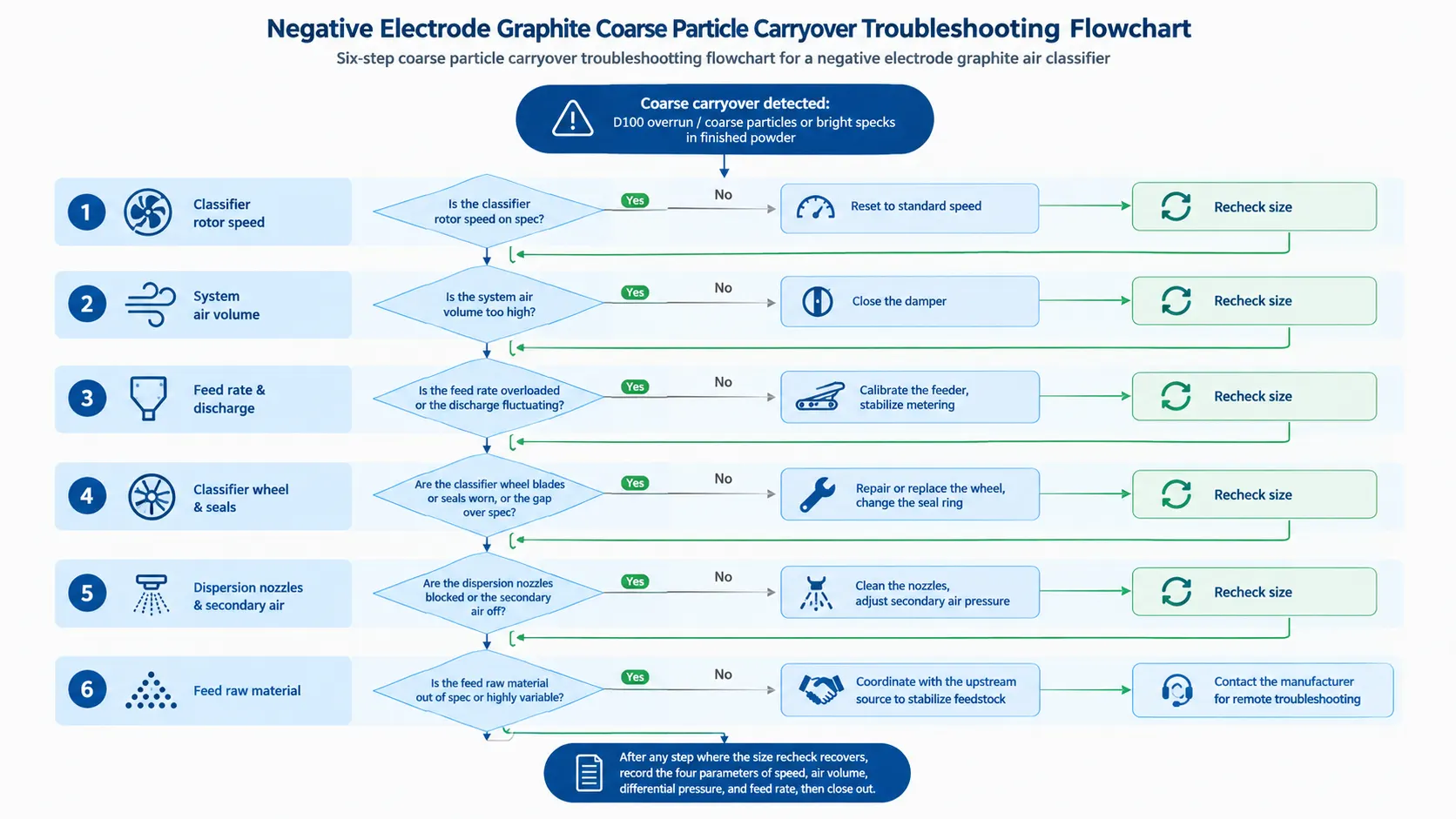
Negative Electrode Graphite Coarse Carryover Troubleshooting Guide | Six Steps to Locate D100 Overrun

When coarse particles mix into the fine fraction after classifying negative electrode graphite, the industry calls it “coarse carryover”. This is a common issue on ...
Read More →
battery

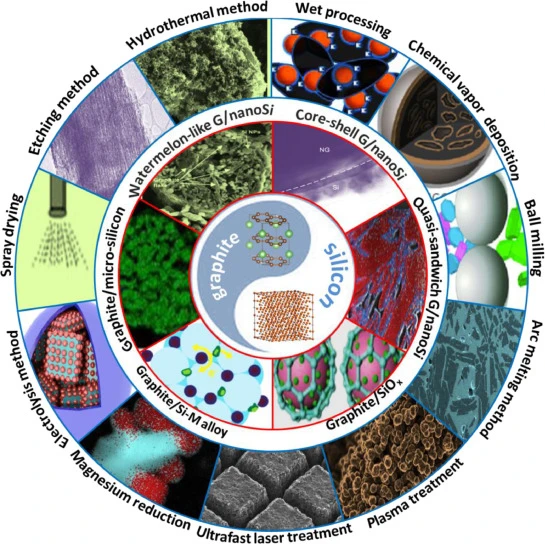
Turbo Air Classifier vs. Multi-Rotor Air Classifier: A Selection Guide for Battery Material Customers

1. Battery Materials Need More Than Just Fine Particle size control for battery materials goes far beyond meeting a D50 target. Cathode materials, anode materials, ...
Read More →
silicon anode

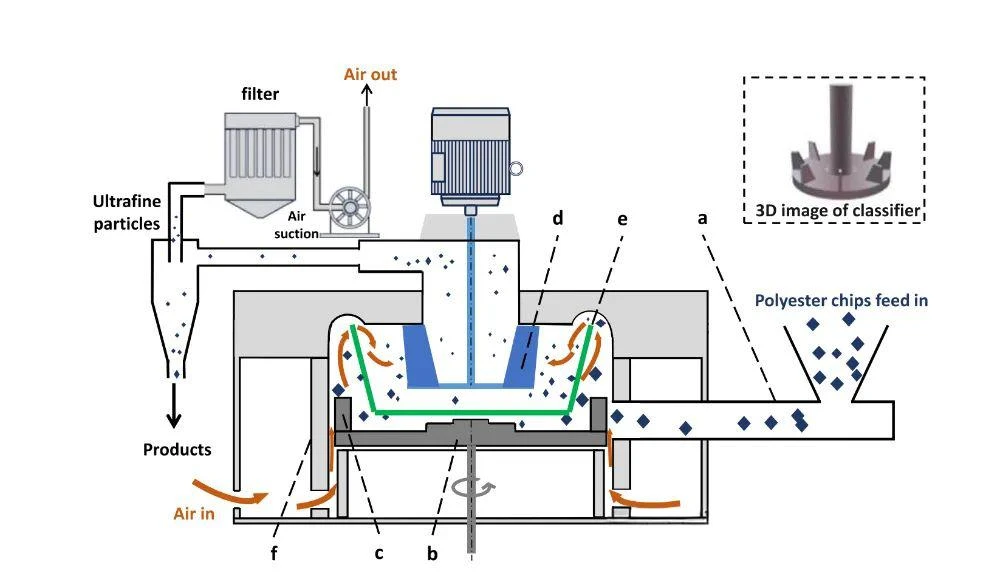
Silicon Anode Powder Classification: How to Achieve Sharp D50/D90 Control on a Material That Expands 300%

Silicon anode material is hard to classify for a different reason than graphite. Graphite fights the classifier because its particles are flat plates. Silicon fights ...
Read More →
Air classifier diagram

Air Classifier Selection Guide: 5 Core Dimensions for Evaluating Classification System Performance

A company spends millions upgrading a grinding line. Acceptance test comes back clean. D50 is right on target. Three months later, downstream customers are calling ...
Read More →

Send Us A Message

    Please prove you are human by selecting the cup。